
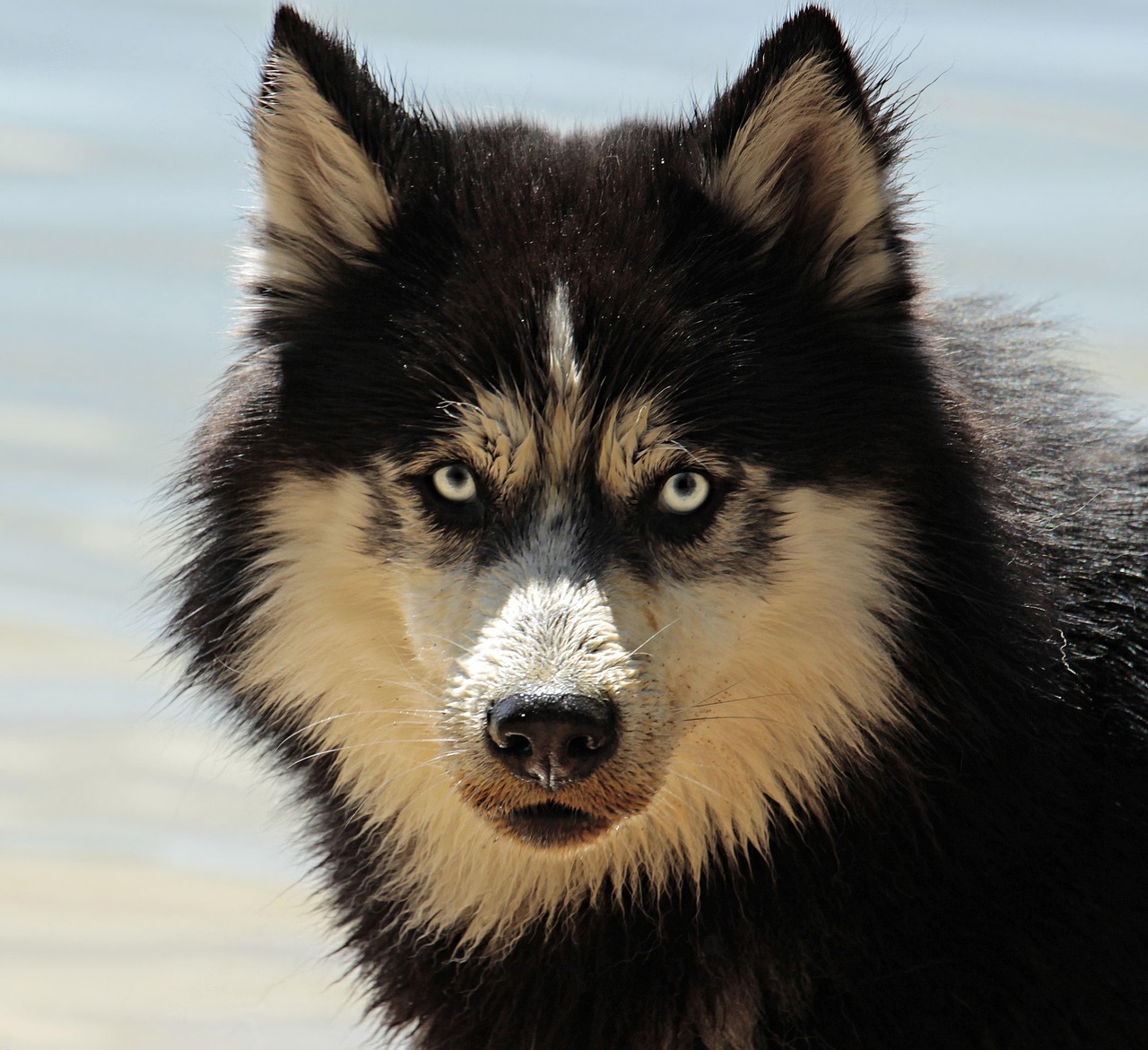
Ticks are more than just unpleasant parasites — they can spread diseases and cause irritation, infections, and discomfort for your dog. Learning how to remove a tick properly is an essential skill for every dog owner.
What Is a Tick?
Ticks are small blood-feeding parasites that attach themselves to your dog’s skin, especially after walks in grassy or wooded areas. Unlike fleas, ticks stay attached while feeding and become larger as they fill with blood.
Signs Your Dog Has a Tick
- Small dark lump attached to the skin
- Excessive scratching or licking
- Redness around the bite area
- Swelling or irritation
- Fatigue or discomfort
What You Need Before Removing a Tick
- Tick removal tool or fine-tipped tweezers
- Gloves
- Antiseptic spray
- Treats to reward your dog
Step-by-Step: How to Remove a Tick
1. Keep Your Dog Calm
Choose a quiet space and gently reassure your dog. Having someone help hold them can make removal easier.
2. Locate the Tick
Part the fur carefully and inspect the area. Common areas include:
- Ears
- Neck
- Between toes
- Under collars
- Armpits
3. Use a Tick Remover
Slide the remover underneath the tick close to the skin and slowly twist upward. Avoid squeezing the tick as this may push harmful bacteria into the skin.
4. Clean the Area
Disinfect the bite area using antiseptic spray and wash your hands thoroughly.
5. Monitor Your Dog
Watch for signs of infection or illness over the following days, including:
- Swelling
- Lethargy
- Loss of appetite
- Fever
If symptoms appear, contact your vet immediately.
How to Prevent Ticks
Preventative care is the best defence against ticks. Consider:
- Regular parasite treatments
- Checking your dog after walks
- Avoiding long grass during peak tick season
- Washing bedding frequently
Final Thoughts
Tick prevention and quick removal can help protect your dog from discomfort and serious illnesses. Regular grooming and parasite checks should become part of your normal pet care routine